
Website Design
Key Takeaways
- Custom website design is crucial for enhancing user experience.
- Responsive design ensures accessibility across devices.
- SEO-friendly design contributes to better search engine rankings.
- Effective website design can significantly boost conversion rates.
- Engaging visuals and intuitive navigation are vital for user engagement.
Creating a custom website design is essential for any business looking to make a mark in the digital landscape. A well-designed website not only attracts visitors but also keeps them engaged and encourages them to take action. In this article, we will explore the critical elements of effective website design, the benefits of custom solutions, and how to choose the right design strategy for your business.
Why is custom website design important?
In an era where first impressions count, a custom website design stands out. It provides a unique identity that reflects your brand and communicates your message effectively. Here are some reasons why custom website design is essential:
- Brand Identity: A tailored design showcases your brand's personality and values.
- User Experience: Custom designs enhance navigation and usability, leading to higher engagement.
- SEO Advantages: SEO-friendly designs improve your chances of ranking higher in search results.
Key elements of effective website design
When designing a website, several key elements must be considered to ensure it meets the needs of users and achieves business goals. Below are the essential components of effective website design:
| Element | Description |
|---|---|
| Responsive Design | Ensures compatibility with various devices and screen sizes. |
| Visual Hierarchy | Organizes content in a way that guides the user's attention. |
| Color Palette | Utilizes colors that resonate with your brand and evoke emotions. |
| Typography | Chooses fonts that enhance readability and align with brand identity. |
| Images and Graphics | Incorporates high-quality visuals to enrich the user experience. |
Benefits of a responsive website design
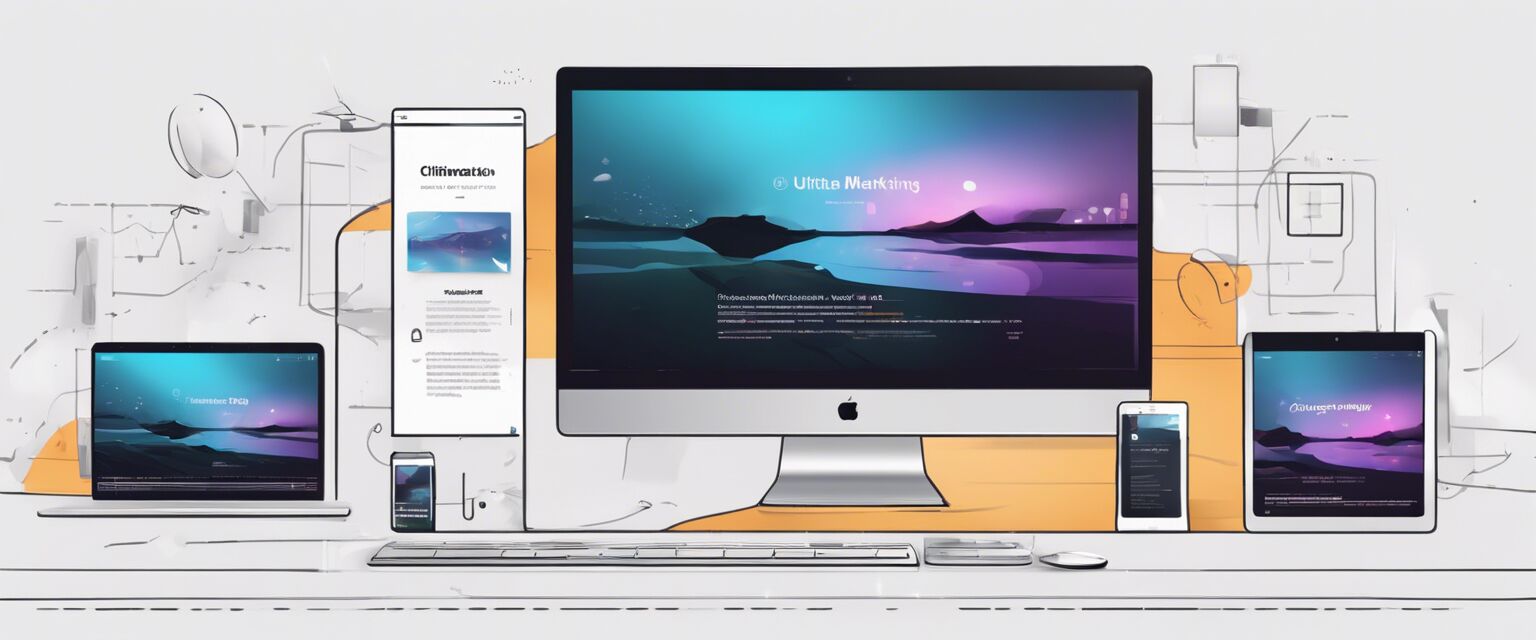
A responsive website design is no longer optional; it is a necessity. Here are some benefits:
- Improved User Experience: Users can access your site seamlessly from any device.
- Increased Mobile Traffic: A significant portion of web traffic comes from mobile devices.
- Better SEO Performance: Google favors mobile-friendly websites in search rankings.
Choosing the right web design strategy
Selecting the right web design strategy depends on your business goals, target audience, and budget. Here are some options to consider:
| Strategy | Description | Best For |
|---|---|---|
| Template-Based Design | Utilizes pre-designed templates for quick deployment. | Small businesses with limited budgets. |
| Custom Design | Tailored designs that reflect your brand's unique identity. | Businesses seeking a unique presence. |
| DIY Design | Allows you to create your site using design tools. | Individuals or startups with design skills. |
Engaging visuals and content
Visuals play a crucial role in website design. They capture attention and convey messages quickly. Here are some tips for selecting engaging visuals:
- Use high-resolution images that are relevant to your content.
- Incorporate infographics to explain complex information succinctly.
- Ensure that visuals align with your brand's message and tone.

SEO and website design
SEO and website design go hand in hand. An SEO-friendly design enhances visibility on search engines. Here are some best practices:
- Optimize images for fast loading times.
- Use clean code and structured data for better indexing.
- Incorporate keywords naturally within your content.
Website design and digital marketing
A well-designed website is the foundation of effective digital marketing. It serves as a hub for various marketing strategies, including:
Conclusion
Investing in custom website design is a strategic move that can enhance user engagement, improve brand visibility, and increase conversion rates. By focusing on the critical elements of design and integrating SEO best practices, businesses can create a powerful online presence that drives results.
Tips for beginners in website design
- Start with a clear understanding of your audience's needs.
- Keep your layout simple and intuitive.
- Regularly update your content to keep it fresh and relevant.
- Test your website on various devices before launch.
- Seek feedback from users to continuously improve your design.
Pros
- Enhances brand identity
- Improves user experience
- Boosts SEO performance
- Increases conversion rates
Cons
- Can be costly for custom solutions
- Requires ongoing maintenance
- May take time to see results